Working Women: Barriers, Obstacles, and Solutions for Women in the Workforce
Jessica Shute
February 2024
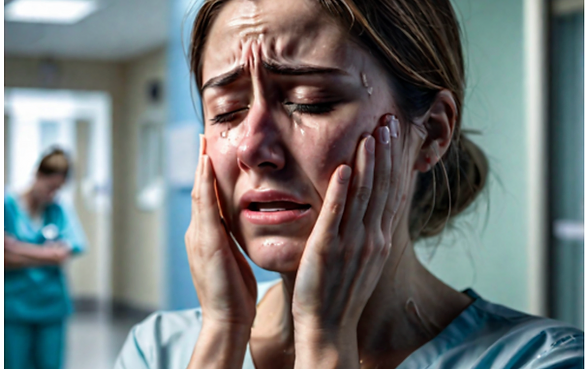
You see it in your inbox once again. That email states that while you’re qualified, the company has hired someone else. Even when you are working, you may feel disregarded by your colleagues and in some cases, your bosses. These are only a few of the challenges that women face in today’s workforce and while we have come a long way, there’s still a lot to be done.
Some of the problems facing women in work have been around for many years, if not the past decade. One of the big issues is the increasing cost of childcare. Especially during the Covid era, when the majority of women took time off work to take care of their children. The fact that daycare costs are still continuing to rise in many parts of the US and throughout the world is leaving new mothers and parents with few alternative options. There are also businesses out there that don’t allow parental leave for women or for men. Even though there’s been a rise in stay-at-home fathers during the same time, it seems most of the impact is directed at working mothers.
I witnessed this at a previous job where some of my coworkers were working moms. Once in a while, they would have to call off to look after their sick kids. I could tell some of the coworkers and managers weren’t happy about it, even though some of them were also parents.
Then there’s the wage gap. Today it’s back to pre-pandemic levels of wage inequality, compared to around 2017-2018, where the difference was 93 cents[1]. According to Forbes Advisor, in 2022 women earned 82 cents for every dollar a man makes.[2] Some of the factors regarding the wage gap include industries such as nonprofits, finance, healthcare, transportation,[3] and STEM-based fields which are primarily dominated by men.
Other factors include socio-economic factors, the states where industries are located, rural vs. urban areas, and race. The same Forbes article reveals that Latinas and women of color are affected the most by the pay gap. Some of the states with the largest gaps in pay include Utah, Louisiana, Alabama, Montana, Wyoming, and Oklahoma.[4] Studies have shown that people who work in urban areas and communities are paid around twenty-four percent more than those who work in rural communities. For college students and graduates in rural areas, most of them stay in the city because there are more job opportunities than in their hometowns.[5] While the option to work remotely has helped a little, there’s more work to be done to close the economic divide between urbanized and rural communities.
These are far from the only issues that women face in the workforce, but they are among the biggest ones. Some of the solutions to these issues include increasing equity in the workforce to close the pay gap, including childcare benefits to help struggling mothers, and better security for women who have work nights, which continues to be an ongoing issue. Another option is for companies to improve representation for women,[6] whether they’re returning to work after a break, just out of college, or entering a new field altogether. Women do better when they have a system that supports them, the same holds true for the world of working women.
References
[1] United States Government Accountability Office. Gender Pay Differences: The Pay Gap for Federal Workers Has Continued to Narrow, but Better Quality Data on Promotions are Needed. December 03, 2020.
[2] Haan, Katherine. Kelly Riley. Forbes Advisor. Gender Pay Gap Statistics in 2024. February 27, 2023.
[3] [6] Smith, Morgan. CNBC. These 5 Industries Have the Biggest Gender Pay Gaps Here’s Why. March 30, 2022.
[4] Haines, Julia. Christopher Wolf. States With the Biggest Gender Wage Gaps. March 14, 2023.
[5] Tovall, Elizabeth. The Rural-Urban Income Divide Persists and It May Be Widening. November 30, 2023.
Tent Scraps as Menstrual Products and C-Sections Without Anesthesia: Gazan Women’s Hell
Lisa Samy
February 2024
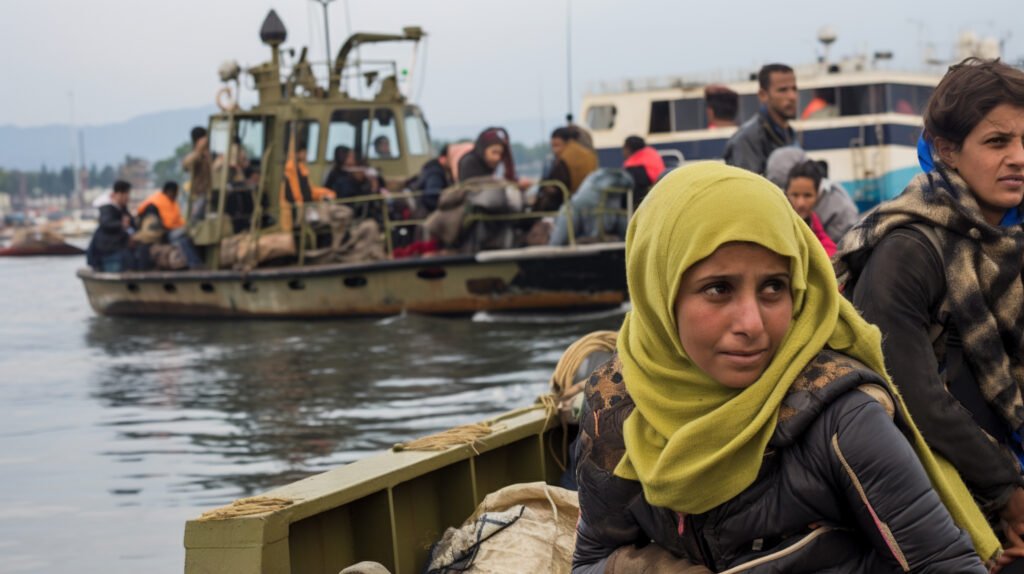
October 7th, 2023. The day that Israel began its series of deadly onslaughts in the Gaza strip, displacing more than 85% of Palestians from their homes.[1] Supplies are scarce, hunger cripples the masses, and diseases run rampant.[1] But for women and girls, various unseen struggles haunt them for every moment the conflict persists.
Pregnant Women and the Future Generations
Around 183 women are estimated to give birth in Gaza daily.[2] Because of a shortage of drugs, functioning hospitals, and medical supplies, women in labor aren’t provided with the most basic care for their hygiene and physical/mental health.[2] Cesarean sections are performed without anesthesia, and women are forced out of hospital rooms in only a few short hours after giving birth.[2] These dire conditions exacerbate postpartum recovery, leading to a higher risk of maternal mortality.
On the other hand, poor care has already led to negative outcomes for the health of numerous newborns. Many Gazan healthcare providers have reported a sharp increase in the number of stillborns and miscarriages.[2] And for the babies who do survive, they are born into a world that fits one word: hell. Tess Ingram, a UNICEF communications specialist, says, “Seeing newborn babies suffer while some mothers bleed to death should keep us all up at night.”[3]
The devastating effects of mothers’ exposure to armed-conflict, violence, and starvation will without a doubt imprint themselves on their children.[2] However, we won’t know the severity of the long-term generational effects for years to come.
A woman in Gaza, Heba Gersof, can’t find a single pad in a pharmacy no matter how far she scours the streets.[1] And if she does miraculously find pads in stock, they are five or six times the price—an expense that the average Gazan women cannot afford.[1] Gazans are already deprived of food, water, and basic necessities, but the lack of accessible menstrual products only adds an extra layer of suffering.
What do these women do then? They use whatever they have at their disposal to replicate menstrual pads. These include old clothes, towels, or even scraps from their tents.[1] These unsanitary materials aren’t guaranteed to be washed properly and regularly either, as soap and water are a rarity.[3] Therefore, women who take the risk of using these as makeshift-pads are at high risk for infections, particularly the highly lethal bacterial infection Toxic Shock Syndrome.[3]
Other women choose to take contraceptive pills that suppress their menstrual cycles, but these pills are scarce and often not allowed to enter the “tent cities” Gazan refugees have set up.[3] In short, any alternatives are scarce, turning menstrual cycles into a deadly interval of humiliation and mental torment.
What Can We Do?
Unfortunately, these topics do not get the attention they deserve. The topic of menstruation is a taboo subject in Gaza’s traditional society, indicating it is rarely talked about amongst Gazan women.[3] Therefore, we urge the global community to spread awareness, whether it’s through sharing information on social media or championing volunteer groups, organizations, and aid relief programs to supply women’s health products to Gazan women.
Pious Projects
Want to help Gazan women, but unsure of where to start? Pious Projects is a registered 501(c)3 humanitarian group that is currently raising funds to send feminine hygiene kits to vulnerable Gazan women. To support them through donations or learn more about their mission, please see the link below.
[1] Batrawny, Aya. (2024). Women in Gaza are desperately in need of washrooms, privacy, and pads. NPR. https://www.npr.org/2024/01/05/1223193875/women-in-gaza-are-desperately-in-need-of-washro oms-privacy-and-pads
[2] Elkanib, Shatha. (2024). Pregnant women in Gaza require urgent protection. The Lancet. https://www.thelancet.com/journals/lancet/article/PIIS0140-6736(23)02835-0/fulltext#:~:text=A pproximately%20183%20women%20are%20estimated,pregnancy%20or%20birth%2Drelated% 20complications.&text=occupied%20Palestinian%20territory-,oPT%20emergency%20situation %20update%20as,December%202023%20at%2015%3A00.
[3] Sky News. (2024). Women in Gaza having c-sections without painkillers as girls use tent scraps for period products. https://news.sky.com/story/women-and-girls-in-gaza-using-scraps-of-tent-material-in-place-of-pe riod-products-13053083?dcmp=snt-sf-twitter.
Unveiling the Ripple Effect: Navigating a World Transformed by the Reversal of Roe v. Wade
Roma Bhavsar
February 2024
Inequality
On June 24, 2022 Americans were left stunned and fearful as unexpected events unfolded. The Dobbs v. Jackson decision overturned Roe v. Wade, the Supreme Court decision that safeguarded a woman’s ability to choose to have an abortion or continue a pregnancy.[1,2] Consequently, the constitutional right to abortion was eliminated in the United States and this opened the door for states to enact legislation restricting or prohibiting access.[1] Roughly 50% of states have adopted some type of restriction and therefore limited access to proper healthcare for millions of women.[3] It has been almost two years since the reversal of Roe v. Wade, and American women are still reeling from the consequences of that dire decision and injustice. Without protective abortion laws, women are denied fundamental control over their own reproductive choices, potentially forcing them into unsafe and life-altering circumstances.
Surging Mental Health Burden, Financial Implications, Mortality, and More
Roughly 20% of pregnant women seek abortions in the United States every year. Limiting abortion access will force more women to carry pregnancies they do not want, causing them to potentially resort to unsafe procedures performed by untrained individuals in subpar conditions. The abortion ban heightens the risks associated with both pregnancies and abortions, making women’s outcomes worse and exacerbating existing inequalities.[3] There is plenty of evidence indicating that abortion restrictions disproportionately affect individuals who are already marginalized and oppressed including people of color, immigrants, and people with low incomes.[2]
There is a growing concern that the rate of maternal mortality will increase in the absence of legal abortion options. According to the World Health Organization, worldwide illegal abortions have a fatality rate of 350 times that of legal abortions. In the United States, the numbers suggest that having a legal abortion is no riskier than undergoing other minor surgeries. These findings strongly highlight the safety of legal abortion when compared to the potential risks of pregnancy. Surprisingly, pregnancy is associated with a maternal mortality rate 14 times higher than that of abortion.[4]
Furthermore, the psychological burden of being forced to carry a pregnancy to term can be traumatizing and daunting for both pregnant women and their families. This will exacerbate the existing mental health crisis which is already bursting at the seams. Studies have shown that unwanted pregnancies are linked to negative mental health outcomes such as perinatal depression, decreased self-esteem, and heightened anxiety.[3]
Financial distress and socioeconomic well-being are more obstacles for unwanted pregnancies.[3,5] While women have the option to travel to states where abortion is permitted, it comes at a significant cost. The cost of travel, hotel stay, time off from work, childcare, and the cost of the mediation or procedure required all add up, which makes getting an abortion impossible, unaffordable, and inaccessible for many women.[5] Women denied abortions suffer worse social, health, and financial outcomes. Data from a study in the United States found that 51% of women seeking abortion lived below the poverty line, had lower credit scores, and had more debt.[3]
At its core, having the freedom to choose abortion is a crucial part of medical care, involving open discussions between patients and their doctors. However, interference from lawmakers threatens this essential process. With the challenges posed by overturning Roe v. Wade, medical and nursing education is imperative for learners and educators to join forces to improve and enforce abortion education and the management of pregnancy complications in medical schools. Without this, there can be serious implications on the standard of care and skills needed to manage pregnant patients, particularly in states with abortion bans where healthcare resources are already very limited. Consequently, this may worsen existing disparities as some medical students may choose not to pursue clinical training or practice in states with strict abortion laws, opting for a more comprehensive education. To protect their own and their patients’ reproductive health, students might work in states where abortion is still accessible, adding to healthcare inequalities. Ultimately, this could lead to more shortages of doctors, a drop in school enrollment in states with abortion bans, and a decrease in the long-term quality of reproductive healthcare with adverse consequences for women’s health.[2,6] This is simply unacceptable.
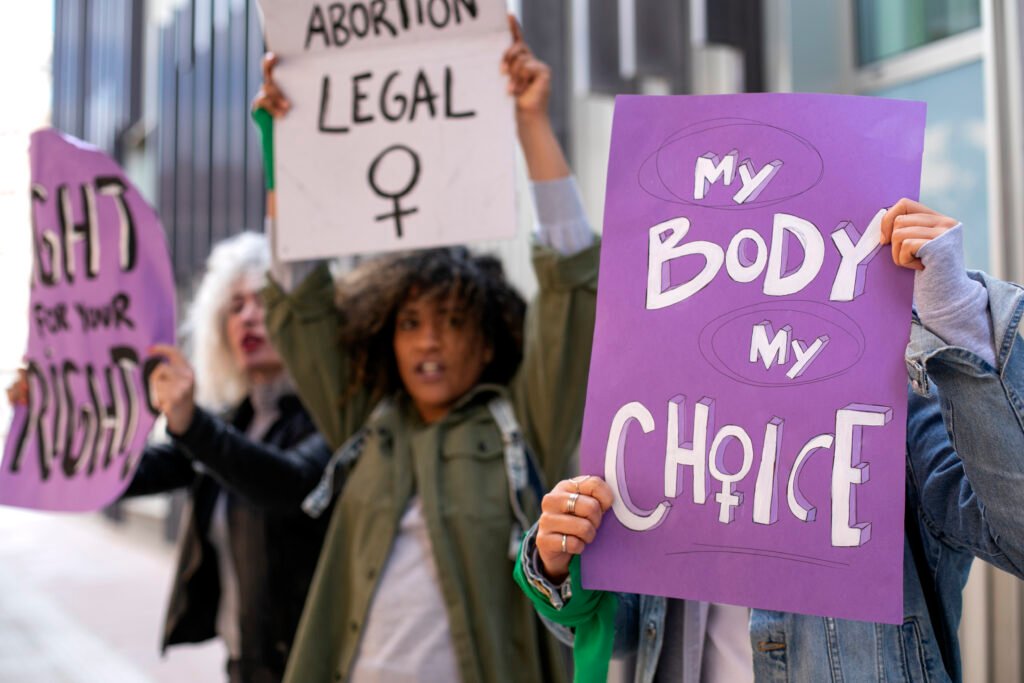
My Body. My Choice.
No one should be forced to carry an unwanted pregnancy to term. Now more than ever, women feel trapped in a metaphorical prison when they are denied basic rights about what they can and cannot do with their bodies. This denial infringes on autonomy and control over their own lives. In order to regain some of that control back, it is our civil duty to make sure all women have access to basic healthcare information and know what their options are to get the proper care they need.
Promoting awareness through advocacy is crucial for disseminating evidence-based information regarding the negative consequences of denying abortion. The data clearly shows that women and families live better with access to safe abortion care.[3] To learn more about access to accurate, up-to-date general information on abortions, birth control, and out-of-state clinic options, please see the three links below.
After almost two years since Roe v. Wade fell, and with more restrictions likely to follow, the true extent of its impact remains uncertain and quite scary. The turmoil surrounding this issue is not just a concern for women today, but also an unsettling thought about the legacy we are leaving for the generations ahead.
References
[1] Lazzarini, Z. (2022). The End of Roe v. Wade — States’ Power over Health and Well Being. New England Journal of Medicine, 387(5). https://doi.org/10.1056/nejmp2206055.
[2] Berg, J. A., & Woods, N. F. (2023). Overturning Roe v. Wade: Consequences for Midlife Women’s Health and well-being. Women’s Midlife Health, 9(1). https://doi.org/10.1186/s40695-022-00085-8.
[3] Londoño Tobón, A., et al. (2023). The end of Roe v. Wade: implications for Women’s mental health and care. Frontiers in Psychiatry, 14. https://doi.org/10.3389/fpsyt.2023.1087045.
[4] Ginsberg, N. A., & Shulman, L. P. (2021). Life without Roe v Wade. Contraception and Reproductive Medicine, 6(1). https://doi.org/10.1186/s40834-021-00149-6.
[5] Kitchener, C., Roubein, R., Tran, A. B., Gilbert, C., & Dormido, H. (n.d.). A fragile new phase of abortion in America. Washington Post.
[6] Traub, A. M., Mermin-Bunnell, K., Pareek, P., Williams, S., Connell, N. B., Kawwass, J. F., & Cwiak, C. (2022). The implications of overturning Roe v. Wade on medical education and future physicians. The Lancet Regional Health – Americas, 14, 100334. https://doi.org/10.1016/j.lana.2022.100334.
Transfemicide in Latin America: How Machismo and Religion Contribute to a Growing Problem
Laura Rodriguez
January 2024
Latin American culture is commonly known for its richness, vibrancy, and complexity. Though each Latin country’s history and culture can easily stand on its own, the region is united by the warmth and humility with which most Latin Americans conduct their daily lives. Often overlooked, however, is the discrimination against various sub-populations of Latin American society. Latinos of black, Asian, and indigenous descent have been historically discriminated against, resulting in these communities being severely underfunded and underserved by their respective governments. Unfortunately, queer communities in Latin America often experience similar amounts of exclusion and structural violence.
Discrimination within Latin American culture runs deep. In fact, Latin America is the region with the highest rates of violence against the LGBTQ community, specifically those of transgender and gender nonconforming identities. A shocking 78% of transgender homicides occur in Latin America, highlighting a severe lack of protections for the trans community as well as the astounding amount of transphobia that is embedded in Latin American society (Habib, 2018). Transphobia is defined as “fear, hatred, disbelief, or mistrust of people who are transgender, thought to be transgender, or whose gender expression doesn’t conform to traditional gender roles.”[10] Pronounced disparities between cisgender and transgender individuals exist within every social determinant of health. In Bolivia, 70% of trans youth never complete their education, and in Argentina 45% of trans youth drop out of school due to harassment, intimidation, and bullying.[8] Machismo, the toxic masculinity seen in Latin culture, and religion are the two largest contributors to transphobia in this region. Both factors are deeply intertwined with Latin American morals and values, leading to gender identity-based discrimination that impacts every aspect of life for gender nonconforming Latines.
Latin American culture dons significant social authority on men, who are typically the heads of households and main providers for families. For decades, if not centuries, men’s ability to command their household with little to no input from other members has been justified by the physical contributions they provide. Over time, this structure of household roles has resulted in harmful social and behavioral trends due to an abundance of machismo in Latin American society. Machismo involves an aggressive and overbearing attitude held by men that leads them to act based on the notion that they are superior over anyone who is not also a cisgender male.[9] This exaggeration of masculinity is one of the largest contributors to the high rates of domestic and intimate partner violence in Latin America, but is also a significant factor when discussing transphobia and transfemicide.
Forms of discrimination run deep in the religious values of these countries, leading to very stark viewpoints on the matter.
Since Latin America’s colonization, Catholicism has been by far the most practiced faith in the region. With just under 70% of all Latin Americans identifying as Catholic, it is no surprise that cultural values are also heavily based in religion.[7] While race and ethnicity did not show notable associations with transphobia as isolated predictors, religion has been found to be a significant factor. Catholicism regards any gender nonconforming identities as immoral, highly influencing the attitudes of Latin Americans Catholics against transgender people. The degree to which an individual adheres to their faith is associated with a higher likelihood of holding transphobic beliefs, with traditional Catholics being most likely to discriminate against gender nonconforming persons. Fundamentally, Catholicism supports traditional family structures, headed by a married pairing of cisgender men and women. Gender nonconformity threatens the foundational basis of this religion leading to a general rejection of it from Latin American society.[1] From a religious perspective, trans folks are consciously deviating from the form in which God created them. This deviation is understood as an act of defiance against God.[3] Though Catholicism preaches peace, love, and community, it paradoxically leads to in-group attitudes and behaviors from its followers.
Overall, not nearly enough research has been done to study transphobia in the region, leaving trans populations exposed to continued oppression and discrimination at all societal levels. Awareness for inequities faced by this group has been primarily raised by prominent pop cultures figures. During his “Tonight Show Starring Jimmy Fallon” performance in early 2020, reggaetonero Bad Bunny wore a t-shirt calling out the murder of Alexa Negrón Luciano, a homeless trans woman in Puerto Rico.[2] In the days following this homicide, Puerto Rican media still refused to acknowledge Alexa’s female identity and would continuously refer to her as “a man in a skirt.” Evidently, there is much work to be done to educate, increase visibility, and change societal attitudes across all Latin American countries.
Transphobia in Latin America can be tied to some of what the region’s societal values and morals are rooted in: machismo and religion. The exaggerated assertiveness and sexism that are associated with machismo create an authoritative social hierarchy in which gender nonconforming individuals sit at the very bottom. Moreover, religious values that label trans people as immoral and nontraditional unjustly sustain discriminatory beliefs and behaviors. One can only hope that figures with important social influence continue to use their platforms to increase visibility for trans Latinos and to raise awareness regarding trans issues. Perhaps by increasing Latin American society’s exposure to trans communities, individuals will become more accepting and empathetic. Only then will Latin America be able to move past its transphobic nature and begin significant sociopolitical change to give trans communities the human rights and protections they have been denied for far too long.
[3] Campbell, M., Hinton, J. D., & Anderson, J. R. (2019). A systematic review of the relationship between religion and attitudes toward transgender and gender-variant people. International Journal of Transgenderism, 20(1), 21–38.
[4] Frequently asked questions about transgender people. National Center for Transgender Equality. (2020, September 4).
[6] Lanham, M., Ridgeway, K., Dayton, R., Castillo, B. M., Brennan, C., Davis, D. A., Emmanuel, D., Morales, G. J., Cheririser, C., Rodriguez, B., Cooke, J., Santi, K., & Evens, E. (2019). “we’re going to leave you for last, because of how you are”: Transgender women’s experiences of gender-based violence in healthcare, education, and police encounters in Latin America and the Caribbean. Violence and Gender, 6(1), 37–46.
[7] Lipka, M. (2020, May 31). 7 key takeaways about religion in Latin America. Pew Research Center. Retrieved October 5, 2021, from
[9] Nuñez, A., González, P., Talavera, G. A., Sanchez-Johnsen, L., Roesch, S. C., Davis, S. M., Arguelles, W., Womack, V. Y., Ostrovsky, N. W., Ojeda, L., Penedo, F. J., & Gallo, L. C. (2016). Machismo, Marianismo, and Negative Cognitive-Emotional Factors: Findings From the Hispanic Community Health Study/Study of Latinos Sociocultural Ancillary Study. Journal of Latina/o psychology, 4(4), 202–217. https://doi.org/10.1037/lat0000050
It is estimated that “it will take another 300 years until child marriage is eliminated” based on data collected by UNICEF.[1] According to recent estimates, around 640 million girls and women have been married in childhood.[1] Although progress has been made to reduce the prevalence of child marriage globally, more efforts are needed to eradicate this social justice issue.
Child marriage is a critical health and human rights issue, which disproportionately affects women who are forced into marriage at a young age. Although boys and male adolescents who are forced to get married are also impacted by the harmful consequences of child marriage, researchers[2] reveal that the overall prevalence of child marriage is significantly higher among girls than boys. Moreover, females can be more susceptible to certain adverse outcomes associated with child marriage, namely, pregnancy complications and domestic violence. Interestingly, some countries have different laws regarding what age males and females can get married, which could further contribute to the prevalence of child marriage. For instance, in Iran, girls can get married at 13 years of age and boys at 15.[2] It is beneficial to consider how the justice systems of countries across the globe have deemed different ages appropriate for marriage among males and females, as it could also perpetuate gender inequity and affect public perceptions of marriage.
Child marriages raise not only ethical dilemmas but also health concerns due to pregnancy risks.
Research[3] has discovered that teen pregnancy can especially increase the risks of infections like malaria and HIV. Pregnant girls and teenagers are also more prone to eclampsia, postpartum hemorrhage, and death during childbirth. Besides risks during pregnancy and childbirth, child marriage can lead to increases in sexually transmitted diseases as well as the development of cervical cancer. Child marriage does not only affect physical health but also mental health and emotional well-being. Frequently, newly married couples face societal pressure to start a family. As a result, many girls experience sexual abuse and domestic violence[4] since they are expected to become pregnant and give birth right after marriage. This, in turn, can cause severe trauma and suffering as well as lead to mental health concerns such as depression and post-traumatic stress disorder throughout their lives.
Along with threats to health and wellness, child marriage often causes women to lose educational opportunities and economic independence. This can create a harmful trap for girls and young women trying to leave their marriages but may be facing barriers due to a lack of affordability for basic needs such as food and housing. Many girls and young women have to give up on their academic interests and career pursuits, and instead focus on domestic work and trying to prove their fertility.[3] As a result, child marriage can further contribute to gender disparities and inequity in higher education and the workforce, especially due to the underrepresentation of women.
Although child marriage is still an issue that exists in our world today, efforts are continuing to address it, through both preventative efforts to help keep girls safe as well as resources for women who were married during childhood. The media has played an essential role in raising awareness of child marriage across the globe, especially by creating opportunities for girls and women impacted by child marriage to share their stories with the public. This, in turn, has also encouraged the public to take a stand against child marriage and promote advocacy efforts, such as increases in the legal age for marriage.[3] Along with promoting awareness through media and improving laws, a major factor that has been found to prevent child marriage and its adverse consequences is education. Based on data from UNICEF[5] providing girls with education and employment opportunities can directly impact generational poverty, which is often a leading factor behind why parents get their daughters married at a young age. Education can also empower girls and promote confidence while helping them secure employment opportunities in the future and become financially independent. Consequently, this can help prevent them from having to rely on their husband and in-laws’ wealth. Furthermore, research emphasizes the importance of providing adequate sex education in schools as it has been found to help promote safe sex practices,[3] and it can help girls make better-informed decisions about their reproductive health and well-being. Therefore, girls’ rights to education must be ensured. All children must be protected from child marriage and its harmful consequences so that we can create a more equitable world where all children can grow up in safe environments that support diverse aspects of their health and well-being.
[4] Güneş, M., Selcuk, H., Demir, S., İbiloğlu, A. O., Bulut, M., Kaya, M. C., Yılmaz, A., Atli, A., & Sır, A. (2016). Marital harmony and childhood psychological trauma in child marriage. Psychiatry and Behavioral Sciences. https://www.pbsciences.org/index.php?mno=222777
Though WIC Nutrition Benefits Improve Health for Low-Income Mothers and Children, They Are Underused
Melanie Colvin
January 2024
Babies, young children, and pregnant or new mothers are at a nutritionally vulnerable stage of life with unique nutritional needs that must be met for optimal health. Unfortunately, not everyone living in the United States can access enough healthy food, meaning low-income mothers and their children are particularly at-risk of inadequate physical and mental health due to poor nutritional status.
In the United States, if you live below a certain income level, you are usually entitled to the Supplemental Nutrition Assistance Program, known as SNAP, or food stamps. New mothers and their children are offered a special food program: the Special Supplemental Nutrition Program for Women, Infants, and Children–also known as WIC.
Studies have shown that there are many health benefits for WIC recipients, such as reducing premature births, low or very low birth-weight babies, fetal and infant deaths, and low-iron anemia. Women who access WIC experience increased access to prenatal care in early pregnancy, increased consumption of key nutrients (iron, protein, calcium, and vitamins A and C), better diet quality, and increased access to regular health care.
WIC aims to assist mothers and children. However, this program does not reach a majority of those in need.
Despite these health benefits, not everyone who is eligible for this government food program receives benefits. This article will explain what WIC is, who accesses WIC benefits, and who is (or isn’t) actually getting these benefits.
What is WIC?
So, what is WIC? WIC programs usually provide nutritious food packages that include foods like milk, cereal, cheese, eggs, bread, and vouchers to purchase fresh fruits and vegetables. If you receive WIC benefits, you can also go to healthy eating classes, access health care and social service referrals, and get breastfeeding support. These additional services are offered at places like community centers, schools, public housing sites, and county health departments.
When was WIC Established? And Why?
In 1972, WIC started as a 2-year pilot program, meaning the government was trying it out. Around this time, there was growing awareness of malnutrition among mothers and young children living in poverty. By 1975, WIC became a permanent program by legislation P.L. 94-105.
How Do You Get WIC Benefits? Am I Eligible?
To get WIC benefits, you must apply and meet certain eligibility requirements, which include categorical, residential, income, and nutrition risk requirements. What does this mean?
Categorical: categories of WIC recipients include women who are pregnant, postpartum, or breastfeeding; infants up to age 1; and children up to age 5.
Residential: You also must apply for WIC benefits in your home state.
Income: Your household income must be below a standard set by your state. This income standard will be between 100% and 185% of the federal poverty income guidelines, which depends on the number of people per household. For example, in 2024, the federal poverty income guideline is $15,060 for a 1-person household, $31,200 for a 4-person household, and $41,960 for a 6-person household.
Nutrition Risk Requirement: Nutrition risk refers to medical or dietary conditions you have, such as a history of pregnancy issues, poor diet, or being underweight. Your risk is assessed by a healthcare provider.
Not Everyone Who is Eligible is Accessing WIC and More Funding is Needed
A recent report released by the USDA Food and Nutrition Service showed that in 2021, around 12 million mothers, babies, and young children were eligible for WIC but only about 6 million participated. Newer data shows that WIC participation is going up in most states, though supporting WIC growth will require enough funding.
WIC has been a bipartisan commitment fully funded by Congress for the past 25 years. The Biden-Harris administration has requested that Congress fully fund WIC for 2024, but we are still awaiting Congressional action, putting millions of mothers, babies, and children who rely on WIC at risk. If Congress funds WIC at the current level, a resulting $1 billion deficiency would result. This translates to a loss of 1.5 months of benefits for all program recipients, or a loss of six months of benefits to all pregnant women and babies receiving WIC.
So how do more women and children access WIC? It’s complex and challenging. Improvements can happen at the national or local level. Last year, the USDA’s Food and Nutrition Service announced grant opportunities funded by the American Rescue Plan Act of 2021 to continue modernizing WIC to improve experiences for participants and reach more eligible children and mothers.
These grants will go to state and local agencies, community organizations, or other nonprofits who can help. Putting grants in the hands of local and state organizations means public health professionals who understand the lives of mothers and children in their area will have the power to improve WIC access.
Helpful links if you and your children need SNAP or WIC:
[3] USDA continues to modernize, innovate WIC program to improve Maternal, child health | Food and Nutrition Service. (2023, April 18). Retrieved January 27, 2024, from https://www.fns.usda.gov/news-item/fns-008.23
[4] WIC Program Overview and History. (n.d.). National WIC Association.
Trapped Bodies: How the Criminalization of Pregnancy Increases the Stigma Against Miscarriage
Samantha Chang
January 2024
In November of 2023, a local news story gained traction nationwide: “Woman’s miscarriage leads to ‘abuse of corpse’ case before grand jury.”[6] In the case, the Prosecutor’s Office in Warren, Ohio, charged Brittany Watts with felony “abuse of a corpse” after she had a “miscarriage delivery” while using the restroom.[6] While the grand jury declined to indict Ms. Watts on January 11, 2024, the story still reflects a worrying trend: more pregnant people* may face criminal charges related to their pregnancies.[1] This story was particularly striking because it demonstrates how pregnancy criminalization may affect those who experience any form of pregnancy loss, even those who did not seek an abortion. Pregnancy loss is an umbrella term for any pregnancy that does not result in a live birth such as miscarriage, stillbirth, or abortion.[20] Even if the majority of those who experience pregnancy loss may not face legal liability for the loss, this trend will likely have a chilling effect on pregnant individuals seeking healthcare.
Background
There has been a stark increase in the number of criminal cases brought against pregnant and postpartum individuals in recent years.[9] Because pregnancy is an essential element to these charges, “the state has constructed a status through which a unique set of criminal penalties applies to pregnant [people] and to no one else.”[15] Pregnancy Justice has found that there were over 400 cases against pregnant individuals in the thirty-two year period from 1973 to 2005.[16] In the sixteen year period from 2006 to 2022, however, there were about 1,400 cases.[9] This increase is due, in large part, to the Personhood Movement and its targeted efforts to recognize fertilized eggs, embryos, and fetuses as “persons” with their own rights under the law.[9,21] While these efforts largely seek to delegitimize and abolish the right to abortion, they also have consequences on all reproductive choices. The push for fetal personhood** impacts all pregnant people regardless of whether they intend to carry their pregnancy to term because it inherently requires consideration of the fetus’ rights against the pregnant person’s rights. Concerns for fetal rights cause increased surveillance of pregnant people’s bodies and actions. After the majority in Dobbs v. Jackson Women’s Health Organization declared that there is no constitutional right to abortion, many people who menstruate deleted their period tracking applications amid fears that the data from the applications could be used against them in future criminal cases in states where abortion has become illegal.[3,5] These fears may extend to those who experience miscarriages since lawmakers and other government actors conflate miscarriages with abortions.[20] Even though the cause of miscarriages is largely unknown even after evaluation, prosecutors continue to hold pregnant individuals responsible for these pregnancy losses due to this conflation and due to misunderstandings about what causes miscarriages.[20]
Miscarriage causes remain difficult to pinpoint– a weak basis for legalities, a source of pain for mothers.
The Personhood Movement and Criminalization
In the U.S., the Personhood Movement gained traction after the Supreme Court issued its landmark decision legalizing abortion in Roe v. Wade in 1973.[11] While there were proponents of the Personhood Movement prior to Roe, the Supreme Court’s decision thrust abortion to the forefront of American consciousness and made abortion “emphatically a public and moral issue of nationwide concern.”[10] The decision came as a shock to many pro-life Americans because they assumed that all people believed life starts at conception.[10] Personhood activists utilized Justice Blackmun’s language in Roe as the foundation of the movement: “If this suggestion of personhood is established, [Roe’s] case, of course, collapses, for the fetus’ right to life would then be guaranteed specifically by the [14th] Amendment.”[11,18]
Personhood activists quickly sought to enshrine fetal personhood in federal law through a Human Life Amendment.[11] When this failed, the Personhood Movement shifted focus toward state efforts to undermine Roe.[11] In 1986, Minnesota became the first stage to pass a “fetal homicide”(also called feticide) law which criminalized causing pregnancy loss.[11] Currently, thirty-eight states have laws which allow homicide charges for causing pregnancy loss (although the actual charges for pregnancy loss vary state-by-state).[19] Even though thirty of these states include language that either explicitly or implicitly precludes charging pregnant people with respect to their own pregnancy losses, prosecutors have still brought feticide or similar charges against pregnant individuals.[4] In addition to fetal homicide laws, states began expanding the definitions of “child” to include fetuses in their child abuse, neglect, or endangerment statutes.[9] After the Dobbs, many states were poised to enact explicit abortion restrictions.[3,13] As of January 2024, twenty-one states have either enacted full abortion bans or restrictions on abortion.[12]
Criminalization of Pregnancy Loss and Surveillance
In pursuing charges against pregnant people, law enforcement officials and prosecutors have placed the rights of the embryo or fetus over the rights of the pregnant person. There are two broad categories in which officials pursue charges:
1) The pregnant person allegedly caused or was about to cause harm to the embryo or fetus.
2) The pregnant person did not treat the pregnancy loss like the death of a person. For the first category, law enforcement brought charges against pregnant people regardless of birth outcome, meaning that the individuals were charged even if they had a live birth of a healthy baby.[9]
The majority of charges include alleged harm caused to the embryo or fetus by substance use. Even though unbiased research indicates that prenatal exposure to criminalized substances such as methamphetamine, cannabis, and cocaine do not cause specific or unique harms, pregnant people continue to be arrested for substance use.[17] Of the 1,396 criminal arrests examined, the overwhelming majority (95.5%) included substance use as at least one ground for arrest.[9] For 92% of criminal child neglect or endangerment cases, law enforcement officials used substance use as grounds for the charges.[9] Substances not only included criminalized substances such as methamphetamine, cannabis, and cocaine, but also legal substances such as prescription opiates, nicotine, and alcohol.[9] As Ocen indicates, “The expansive use of criminal law to regulate pregnant [people] . . . has extended beyond drug use to legal conduct that is believed to be harmful to fetal life.”[15]
Some law enforcement officials charged people who experienced pregnancy loss, had pregnancy-related complications, or had an abortion with attempted or completed feticide, murder, or manslaughter.[9] Since these charges require an element of intent or an examination of the accused’s actions, investigation into a pregnant person’s life follows. “These prosecutions place all pregnant women at risk for criminalization if they engage in behavior that does not assure optimal fetal health…”[15] Anything from going against a doctor’s recommendations to eating unhealthy food while pregnant could be cited as intent to harm the fetus.[15] Among cases with charge information, 1.2% involved a charge for unsanctioned abortion.[9]
Charges that allege the pregnant person did not treat the pregnancy loss like the death of a person, require pregnancy loss as a precursor to the charge. Among cases with charge information, 2.0% involved pregnant people who were charged with tampering with remains or abuse of a corpse.[9] Pregnant people were charged both when they brought fetal remains to a medical provider and when they disposed of the fetal remains themselves, as both were seen as evidence of tampering.[9] In other cases with charge information, 1.0% were charged with failing to report a birth or a death.[9] The majority of the criminal laws used in these cases were never meant to apply to pregnancy, yet government actors brought charges against pregnant people.[9] Based on the cases, pregnant people were at risk of being charged regardless of whether or not they reported a pregnancy loss.[9] In such cases, it appears that pregnant people are punished for the pregnancy loss itself because they were punished regardless of whether they reported the pregnancy loss.
The criminalization of pregnancy loss frames pregnancy loss as a personal failure even though pregnancy loss is often outside the individual’s control.[20] The implications of increased surveillance on pregnancies include the added scrutiny on the decisions of pregnant people. Fears of prosecution may deter pregnant people from seeking medical care which, in turn, will cause negative health outcomes for both the pregnant person and the fetus. When there is discretion in reporting and charging pregnant people, discrimination is often embedded in the determinations.[22] For example, communities that are historically marginalized are more reluctant to seek healthcare for fear of discrimination.[7] In addition, criminalization does not address systemic failures that lead to negative health outcomes. For example, many poor people do not have access to healthcare because they often lack health insurance. Those who do not seek prenatal care may be charged with neglect or with a feticide charge if they experience a pregnancy loss. Charging the poor individuals does not remedy the fact that they do not have access to healthcare and further exacerbates the issue by making the individuals incur legal fees to address the criminal charges.[8] As a result, the most vulnerable populations (in this case, poor people) are most affected.[9]
Miscarriage Stigmatization
Pregnancy loss charges stemming from miscarriage may stem from prevailing misconceptions surrounding miscarriage. Miscarriages are often misunderstood because they are often discussed in imprecise terms and because they are still a taboo topic. When miscarriages are criminalized, it furthers stigmatization which then contributes to further criminalization.
A miscarriage is defined as a pregnancy loss before 20 weeks.[9] Pregnancy loss that occurs after 20 weeks is considered a stillbirth.[20] The broader public may still confuse the terms miscarriage and stillbirth as many journalists use miscarriage to describe pregnancy loss at any stage of pregnancy.[20] Miscarriages and stillbirths are distinct from the elective termination of pregnancy, or abortion.[20] Despite this, lawmakers often conflate miscarriages and abortions which furthers misconceptions of the two.[20] For example, lawmakers have used “induced miscarriage” or “procuring a miscarriage” to describe intentional attempts to terminate a pregnancy.[20] Such language contributes to the belief that miscarriages are the fault of the pregnant person and garners suspicion of those experiencing pregnancy loss. There is also added confusion because Misoprostol and Mifepristone are used for abortions as well as miscarriage treatment.[20] There are cases where criminal investigations or arrests were made for alleged self-managed abortions, but it is unclear how many were actually found to be abortions versus pregnancy losses.[20]
About 10 to 20% of confirmed pregnancies result in a miscarriage.[20] This percentage is likely higher, however, because many miscarriages take place before a person knows they are pregnant.[20] Even though they are very common, miscarriages are not talked about because there is shame and blame placed on the pregnant person.[14] Many people refrain from disclosing their miscarriages because of social norms and societal feelings of discomfort around the subject.[14] For instance, pregnancy announcements are usually delayed until after the first trimester (when pregnancy losses are less likely) to avoid talking about miscarriages altogether.[14] Commonly, “the cause of a pregnancy loss is unknown even after thorough evaluation.”[20] In the majority of miscarriages that have a suspected cause, 50 to 70% are attributed to genetic abnormalities.[20] While there are risk factors for pregnancy loss (such as diabetes, tobacco use, the pregnant person is over the age of 35, etc.), risk factors do not cause pregnancy loss.[20] Pregnant people should therefore not be faulted for a pregnancy loss even if they have one or more risk factors.[20]
Pregnancy loss like miscarriage is in and of itself devastating to the people who want to carry their pregnancies to full term and criminalization only causes pregnant individuals more trauma and distrust of healthcare providers.
Conclusion
Historically and in recency, the criminalization of abortion implicates the surveillance of pregnant peoples “bodies, decisions, and conduct, no matter who states have chosen to investigate and prosecute.”[2] As the 2023 Pregnancy Justice report asserts, “pregnancy criminalization perpetuates medical misinformation and intensifies the inequities that make pregnant people vulnerable to arrest in the first place.[9] The stigmatization of miscarriage contributes to and reinforces criminalization of miscarriage. If legislators are truly concerned about the health outcomes of pregnant people, embryos, and fetuses, then lawmakers should refrain from utilizing personhood language. Lawmakers should instead focus on using accurate language when describing pregnancy loss and carve out explicit exemptions for pregnant people in fetal homicide laws. Including personhood language in the law only lends itself to more criminalization of and reluctance to seek care by the most vulnerable population of pregnant people – poor individuals. Given the data from Pre-Dobbs cases, the Post-Dobbs era will likely bound pregnant people to unwanted pregnancies or imprison them for failing to bring the pregnancy to term.
For a complete report on pregnancy criminalization please refer to The Rise of Pregnancy Criminalization: A Pregnancy Justice Report.
*This article recognizes that women and girls are not the only groups who may become pregnant – trans men, trans boys, and non-binary people may become pregnant as well. That being said, it is important to note that opposition to reproductive choice and justice is often driven by sexism.
**Fertilized eggs, embryos, and fetuses are distinct as they describe distinct stages of development. For the sake of conciseness, fetal personhood will be used throughout the article when referring to the main aim of the Personhood Movement.
[2] Dellinger, J., & Pell, S. (forthcoming 2024). Bodies of Evidence: The Criminalization of Abortion and Surveillance of Women in a Post-Dobbs World (DRAFT 10/8/2023). Duke Journal of Constitutional Law & Public Policy, 19.
[3] Dobbs v. Jackson Women’s Health Organization, 597 U.S. 215 (2022).
[6] Grimley, N. (2023, November 2). Woman’s miscarriage leads to ‘abuse of corpse’ case before grand jury. WKBN 27 First News. Retrieved December 1, 2023, from
[7] Holder-Dixon, A. R., Adams, O. R., Cobb, T. L., Goldberg, A. J., Fikslin, R. A., Reinka, M. A., Gesselman, A. N., Price, D. M. (2022). Medical avoidance among marginalized groups: the impact of the COVID-19 pandemic. Journal of Behavioral Medicine. 45(5), 760-770. doi: 10.1007/s10865-022-00332-3. Epub 2022 Jun 10. PMID: 35688960; PMCID: PMC9186488.
[8] Human Rights Watch. (2023, April 18). Human rights crisis: Abortion in the United States after Dobbs. Human Rights Watch.
[10] Luker, K. (1984). The Emergence of the Right-to-Life Movement. In Abortion and the Politics of Motherhood (1st ed., pp. 126–157). essay, University of California.
[11] Martin, N. (2014, October 10). Timeline: the personhood movement. ProPublica. Retrieved December 20, 2023, from
[12] McCann, A., Shoenfeld Walker, A., Sasani, A., Johnston, T., Buchanan, L., & Huang, J. (last updated 2024, January 8). Tracking abortion bans across the country. The New York Times. Retrieved January 10, 2024, from
[13] Nash, E., & Guarnieri, I. (2023, January 10). Six Months Post-Roe, 24 US States Have Banned Abortion or Are Likely to Do So: A Roundup. Guttmacher Institute.
[16]Paltrow, L. M., & Flavin, J. (2013). Arrests of and Forced Interventions on Pregnant Women in the United States, 1973–2005: Implications for Women’s Legal Status and Public Health. Journal of Health Politics, Policy and Law, 38(2), 299–343.
[17] Pregnancy Justice (formerly National Advocates for Pregnant Women). (2021). Pregnancy and Drug Use. New York, NY.
[20] Weigel, G., Sobel, L., & Salganicoff, A. (2019). (issue brief). Understanding Pregnancy Loss in the Context of Abortion Restrictions and Fetal Harm Laws. Kaiser Family Foundation. Retrieved December 8, 2023, from
[21] Will, J. F. (2013). Beyond Abortion: Why the Personhood Movement Implicates Reproductive Choice. American Journal of Law & Medicine, 39(4), 573–616. https://doi.org/10.1017/s0098858800012077
[22] Williams, D. R. & Rucker, T. D. (2000). Understanding and addressing racial disparities in health care. Health Care Financing Review, 21(4), 75-90. PMID: 11481746; PMCID: PMC4194634.