Postpartum Depression Through the Sociological Lens

Postpartum Depression Through the Sociological Lens

Lula Dalupang

January 2024

Among the excitement and celebrations of childbirth, there are lesser known effects like distress and inner turmoil that fall under the disorder known as postpartum depression. In “Life in the Throes of Postpartum Depression,” the New York Times shares the stories of four mothers’ struggle with mental health after delivering their babies. These mothers suffered anxious thoughts and histrionic emotions. Other symptoms of postpartum depression include feelings of anger, withdrawing from loved ones, worrying about hurting the baby, and feelings of numbness and guilt.[1] The contextual struggles of these women include work-family balances, poor communication with pediatricians, and inaccessible therapy. Postpartum depression can be analyzed through the sociological viewpoint in terms of a female’s internalization of emotions, but from a contextualized perspective, the social stress process model plays a larger role in the role transition of becoming a mother. 

Although the Center for Disease Control reports that 1 in 8 women experience postpartum depression,[1] social stigma and underdiagnosis causes postpartum depression to be overlooked. The existing public stigma towards people with mental illness is amplified by the expectations of motherly responsibilities, which encourages the concealment of a disorder such as postpartum depression.[3] Concealment inhibits exposure to this disorder and even more importantly, the treatment of this disorder, which then allows the current stigma to persist. Mothers may also attempt to conceal their depression as a means of protecting their children. A mother from the New York Times directly acknowledged the stigma and worried that people would “…take her children away.”[5] This mother then goes onto therapy and medication, reporting that a main part of her recovery was being vulnerable. In relation, Emma McGinty,[3] PhD, in the Health Policy and Management Department of Johns Hopkins Bloomberg School of Public Health studied how exposure to successful treatment is an essential part of lowering stigma and promoting help seeking. 

Postpartum depression can be treated with the right support

Overlooking Postpartum Depression 

Additionally, postpartum depression is a type of intropunitive disorder. By internalizing symptoms, these types of disorders are more easily concealed. Women are found to be more commonly diagnosed with intropunitive disorders than men.[2] This makes it difficult for women to receive treatment unless a healthcare provider or an external source brings up the topic first. However, an OB-GYN physician admitted to the New York Times that they are not always able to mention mental health due to how busy they are. Additionally, one of the women suffering with postpartum depression reported that she had filled out the mental health form when seeing a pediatrician, yet nothing came out of it.[5] These specialists are focused and trained on obstetrics and pediatrics, often causing them to overlook mental health. Another woman felt undeserving of help due to the extensive amount of time required to get placed with a therapist. She felt that, “There are people out there who need it more than I do.”[5] Therefore, postpartum depression tends to be overlooked by both physicians and the mothers themselves. 

Sociodemographics and Risk Factors 

Some mothers are more likely to be affected by postpartum depression than others. Multiple studies found that the same factors predict postpartum depression: income, occupational prestige, marital status, education, age, and number of children.[1;6] These risk factors are known as socioeconomic status when examined through the lens of the social stress process model. Level of education influences the types of careers a person may obtain, which then influences their annual income. Lisa Sergre conducted sociodemographic interviews with new mothers and found that financial poverty is the single largest predictor of postpartum depression.[6] Financial poverty causes increased stress surrounding the series of monetary burdens throughout pregnancy and motherhood, such as hospital bills, feeding another mouth, and the cost of baby supplies. Costs for treatment of postpartum depression would be an additional strain, with prices around $350 per month. One of the mothers interviewed compared the fee to “like having another car payment”.[5]) The high cost of therapy thus prevents mothers from seeking treatment, reiterating the issue of concealing and internalizing the disorder. In addition, maternity leave is a cause for lower household income. This causes a role conflict in finding balance between working to provide for her family versus having time and energy to be a mother. 

Secondary Stressors 

In fact, there are many struggles with the role of being a new mother. A role transition takes place in becoming a mother and navigating new responsibilities. There is also role-blurring, the overlap of work and household roles, known to affect women more than men.[4] Women carry a larger mental load than men, and having a baby adds many more chores onto that to-do list.A spouse acts as a buffering effect, acting as both emotional support and instrumental support by helping out with household chores and being the primary source of income In contradiction, additional children may act as secondary stressors. Having a new child requires adjusting how much financial aid and quality the other children can receive, and since the newborn typically receives the most attention, the other children are likely to have negative responses. 

If a mother were to seek treatment, this would be another sacrifice of time that could be spent with her family. One of the mothers from the article struggled with committing to a treatment program because they took “full days, from 10 a.m. to 3 p.m.”[5] Likewise to how the cost of treatment acted like another car payment, the time for treatment acted like another job.  If the spouse is at work while the mother is seeking treatment or in the case of a single mother, a nanny would be required to look after the children. This would be an additional cost and would also play a stressor in the search for a compatible nanny. Although placing the responsibility of a child into someone else’s hands or even spending any time away from them would be a cause of anticipatory stress for the mother. Most of the mothers interviewed by the New York Times expressed a sense of panic whenever separated from their baby. These mothers often lost sleep due to fear that something would happen to their baby in the meantime.[5] Anticipatory stress is dangerous because there is no limit to which one can worry about the unknown. Like all other mental illnesses, accessibility to treatment and strong social support are crucial to helping mothers overcome postpartum depression. Another similarity is that attitudes towards these disorders can change over time and place as a result of being socially constructed. With the fluctuating environment of reproductive rights, further research must be done on how postpartum depression has been affected over time (i.e. pre- and post-Dobbs v. Jackson Women’s Health Organization) and over place (i.e. state by state). Although macro-processes like federal and state laws are factors, so are micro-processes like social support. Providing care and support can make a life-changing difference for new mothers. 

References 

[1] Depression among women. (2023, May 22,). Centers for Disease Control and Prevention. Retrieved 09/04/2023, from https://www.cdc.gov/reproductivehealth/depression/# 

[2] Loring, M., & Powell, B. (1988). Gender, race, and DSM-III: A study of the objectivity of psychiatric diagnostic behavior. Journal of Health and Social Behavior, 29(1), 1-22. https://10.2307/2137177 

[3] McGinty, E. E., Goldman, H. H., Pescosolido, B., & Barry, C. L. (2015). Portraying mental illness and drug addiction as treatable health conditions: Effects of a randomized experiment on stigma and discrimination. Social Science & Medicine (1982), 126, 73-85. https://10.1016/j.socscimed.2014.12.010 

[4] Pearlin, L. I., & Bierman, A. (2012). Current issues and future directions in research into the stress process. Springer Netherlands. https://10.1007/978-94-007-4276-5_16 

[5] Pearson, C. (2023, June 27,). Life in the throes of postpartum depression. The New York Times.

[6] Segre, L. S., O’Hara, M. W., Arndt, S., & Stuart, S. (2007). The prevalence of postpartum depression – the relative significance of three social status indices. Social Psychiatry and Psychiatric Epidemiology; Soc Psychiatry Psychiatr Epidemiol, 42(4), 316-321. https://10.1007/s00127-007-0168-1

Osteoporosis – Make No Bones About It: A Serious Health Issue for Women of All Ages

Osteoporosis – Make No Bones About It: A Serious Health Issue for Women of All Ages

Karen Spooner-Bunn

January 2024

According to an online article written by the staff at Portland, Oregon-based medical clinic, Generations Family Practice, the top five women’s health issues are cardiovascular disease, breast cancer, osteoporosis, depression and mental health, and autoimmune diseases. Among these, osteoporosis is the most common.

In women, Osteoporosis exceeds the rates of stroke, heart attack, and breast cancer combined. The National Osteoporosis Foundation states that one in four men will break a bone in their entire lifetime due to osteoporosis. In contrast, one in two women will break a bone in their entire lifetime due to osteoporosis, thus indicating the high risk and prevalence of osteoporosis in women. 

Osteoporosis Fast Facts 

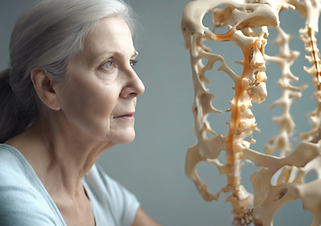
Osteoporosis is a disease of the bones that causes them to weaken. It is also known as the “silent disease” because symptoms may not be apparent.[2] This information is crucial to our understanding of what this means for us as we age and for those of us already there! 

Age plays a large role when discussing Osteoporosis risk factors.

Case in point, a senior who just a week ago celebrated her 71st birthday, had been as and is experiencing a deterioration of bone density (aches and pain in knees and hip; this had an overwhelming effect on her ability to enjoy social events and fully participate in what once were considered daily activities; and also became less independent, needing assistance often to do things that were often done independent of help This woman held memberships at various gyms, pilates studios, dance classes, moved heavy furniture, lifted heavy objects; for close to 40 years, all the while taking supplements regularly, (with the exception of Calcium), and eating healthy sporadically. She felt she would be and stay in pretty good shape; but not thinking particularly of “bone health”, proved to be a serious error in thinking and/or judgment as her bones aged. 

A second article posted on the Center for Disease Control and Prevention’s website (hereinafter known as CDC) detailed in several reports over a period of years how those with osteoporosis are much more likely to break bones in the hip, forearm, wrist, and spine. CDC added that most bones that are broken are caused by falls, and osteoporosis can significantly weaken bones more readily, causing them to break more often and much easier, even just by coughing or bumping into an object.[3] 

Osteoporosis is said to affect a person’s health and well-being drastically because broken bones can alter activities of daily living. For instance, a broken bone in the spine will begin to collapse and can cause people to lose height and not be able to stand erect. Women who are 50 and older are said to be 20% of those with osteoporosis, versus 5% of the male population. Surprisingly, an article from the CDC states that broken hips are the most serious of all broken bones.[4] So, many people with broken hips will need assistance, and will not be able to live alone. Sadly people with broken hips are more likely to die sooner.[4] 

The National Library of Medicine provides a comprehensive summary of osteoporosis in females and the disease’s impact on life for women who have the disease as well as life expectancy, gender disparities, and recent progress made in the treatment of osteoporosis.[6]

In summary, Osteoporosis is a health issue that, according to medical experts, a disease that is prevalent among women, so it is with urgency that knowledge and awareness of how it can rapidly deteriorate bones, thus having a consequential effect on the quality of life. 

References 

[1] Generations Family Practice. (2024). The Top 5 Women’s Health Issues. Generations Family Practice. https://www.generationsfamilypractice.com/blog/the-top-5-womens-health-issues 

[2]Bonehealthandosteoporosis.org Generationsfamilypractice.com (Osteoporosis fast facts) [3] WWW.CDC.gov Center for Disease Control and Prevention (genomics and precision health) [4] Centerfordiseasecontrol.com (how can osteoporosis affect my health) 

[5] Keen, M. U., & Reddivari, A. K. (2023, June 12). Osteoporosis in Females. National Center for Biotechnology Information. https://www.ncbi.nlm.nih.gov/books/NBK559156/ 

[6] Alswat K. A. (2017). Gender Disparities in Osteoporosis. Journal of clinical medicine research, 9(5), 382–387. https://doi.org/10.14740/jocmr2970w


Child Marriage and Its Harmful Consequences

Child Marriage and Its Harmful Consequences

Isha Gupta

January 2024

It is estimated that “it will take another 300 years until child marriage is eliminated” based on data collected by UNICEF.[1] According to recent estimates, around 640 million girls and women have been married in childhood.[1] Although progress has been made to reduce the prevalence of child marriage globally, more efforts are needed to eradicate this social justice issue. 

Child marriage is a critical health and human rights issue, which disproportionately affects women who are forced into marriage at a young age. Although boys and male adolescents who are forced to get married are also impacted by the harmful consequences of child marriage, researchers[2] reveal that the overall prevalence of child marriage is significantly higher among girls than boys. Moreover, females can be more susceptible to certain adverse outcomes associated with child marriage, namely, pregnancy complications and domestic violence. Interestingly, some countries have different laws regarding what age males and females can get married, which could further contribute to the prevalence of child marriage. For instance, in Iran, girls can get married at 13 years of age and boys at 15.[2] It is beneficial to consider how the justice systems of countries across the globe have deemed different ages appropriate for marriage among males and females, as it could also perpetuate gender inequity and affect public perceptions of marriage. 

Child marriages raise not only ethical dilemmas but also health concerns due to pregnancy risks.

Research[3] has discovered that teen pregnancy can especially increase the risks of infections like malaria and HIV. Pregnant girls and teenagers are also more prone to eclampsia, postpartum hemorrhage, and death during childbirth. Besides risks during pregnancy and childbirth, child marriage can lead to increases in sexually transmitted diseases as well as the development of cervical cancer. Child marriage does not only affect physical health but also mental health and emotional well-being. Frequently, newly married couples face societal pressure to start a family. As a result, many girls experience sexual abuse and domestic violence[4] since they are expected to become pregnant and give birth right after marriage. This, in turn, can cause severe trauma and suffering as well as lead to mental health concerns such as depression and post-traumatic stress disorder throughout their lives. 

Along with threats to health and wellness, child marriage often causes women to lose educational opportunities and economic independence. This can create a harmful trap for girls and young women trying to leave their marriages but may be facing barriers due to a lack of affordability for basic needs such as food and housing. Many girls and young women have to give up on their academic interests and career pursuits, and instead focus on domestic work and trying to prove their fertility.[3] As a result, child marriage can further contribute to gender disparities and inequity in higher education and the workforce, especially due to the underrepresentation of women. 

Although child marriage is still an issue that exists in our world today, efforts are continuing to address it, through both preventative efforts to help keep girls safe as well as resources for women who were married during childhood. The media has played an essential role in raising awareness of child marriage across the globe, especially by creating opportunities for girls and women impacted by child marriage to share their stories with the public. This, in turn, has also encouraged the public to take a stand against child marriage and promote advocacy efforts, such as increases in the legal age for marriage.[3] Along with promoting awareness through media and improving laws, a major factor that has been found to prevent child marriage and its adverse consequences is education. Based on data from UNICEF[5] providing girls with education and employment opportunities can directly impact generational poverty, which is often a leading factor behind why parents get their daughters married at a young age. Education can also empower girls and promote confidence while helping them secure employment opportunities in the future and become financially independent. Consequently, this can help prevent them from having to rely on their husband and in-laws’ wealth. Furthermore, research emphasizes the importance of providing adequate sex education in schools as it has been found to help promote safe sex practices,[3] and it can help girls make better-informed decisions about their reproductive health and well-being. Therefore, girls’ rights to education must be ensured. All children must be protected from child marriage and its harmful consequences so that we can create a more equitable world where all children can grow up in safe environments that support diverse aspects of their health and well-being. 

References

[1] UNICEF. (2023, May 5). Is an End to Child Marriage within Reach?. UNICEF Data. https://data.unicef.org/resources/is-an-end-to-child-marriage-within-reach/ 

[2] Efevbera, Y., & Bhabha, J. (2020, October 15). Defining and deconstructing girl child marriage and applications to global public health. BioMed Central. https://bmcpublichealth.biomedcentral.com/articles/10.1186/s12889-020-09545-0 

[3] Nour, N. M. (2009, Winter). Child Marriage: A Silent Health and Human Rights Issue. National Center for Biotechnology Information. https://www.ncbi.nlm.nih.gov/pmc/articles/PMC2672998/

[4] Güneş, M., Selcuk, H., Demir, S., İbiloğlu, A. O., Bulut, M., Kaya, M. C., Yılmaz, A., Atli, A., & Sır, A. (2016). Marital harmony and childhood psychological trauma in child marriage. Psychiatry and Behavioral Sciences. https://www.pbsciences.org/index.php?mno=222777 

[5] UNICEF. (2022, September 19). The power of education to end child marriage. UNICEF DATA. https://data.unicef.org/resources/child-marriage-and-education-data-brief/


Changing Tides: Prioritizing Mental Health for a Brighter Tomorrow

Changing Tides: Prioritizing Mental Health for a Brighter Tomorrow

Roma Bhavsar

January 2024

What is Mental Health?  

It is no secret that we are in the midst of a mental health crisis. Over the last decade, there has been a large cultural shift that encourages healthy minds, sharing personal stories, and breaking down the stigma surrounding mental health[1-3]. This is good news; individuals should be open and vocal about mental health because this is integral to our overall well-being and state of mind. Mental health is a human right and it encompasses individual, psychological, environmental, and social well-being. These are vital components that affect our ability to act,  think, and feel and this can change over time depending on many factors.[2]

Who is Affected? 

The World Health Organization (WHO), among other organizations, have demanded a call to action for a collective and multisectoral approach to transform mental health globally, emphasizing human rights, empowerment, and a commitment to comprehensive mental health  resources and strategies to build supportive environments.[1] According to the Centers for Disease Control and Prevention (CDC), more than 20% of adults currently live with a mental illness, more than 20% of youth, ages 13-18, are experiencing mental illness now or had so in the past.[2] According to a recent 2024 Newsweek article, a whopping 33% of young adults aged 18-25 suffer from mental illness and are twice as likely to suffer from depression and anxiety  compared to teenagers. These statistics are alarming and warrants radical and immediate policy reform and advocacy to help prioritize and drive change to the health sector by enhancing  accessibility and affordability of mental health care.[3] 

Young adults are highly affected by mental health, and many go undiagnosed or without the help they need.

Why Mental Health is Important 

Mental health is just as important as our physical health and symptoms can go unnoticed by both the individual and those around them. Individuals should be encouraged to acknowledge and address mental health challenges in order to reach their full potentials.[4]

The importance of self-awareness and transparent communication with healthcare providers,  family, or friends is underscored as the first step towards overall well-being. Undervaluing  our mental health can have a harmful impact on cognitive functioning, physical health, resilience, relationships, and overall well-being.[4] 

When we invest time and energy into our mental health, it comes with a lot of advantages. It can help us build confidence, self-esteem, and build resilience by learning how to manage our  feelings and not let our emotions get the best of us.[4] 

3 Quick Ways to Support One’s Mental Health[4,5] 

1. Take care of yourself first: prioritizing personal time and self-care through healthy  boundaries involve recognizing and respecting one’s values and limits without compromise. Disconnecting from social media, the constant buzz of the outside world, and reducing  stress through relaxation techniques such as meditation or mindfulness is key. In addition, regular exercise, maintaining a balanced diet, and getting adequate sleep are all examples  of actions one can incorporate into one’s routine to contribute to overall mental well-being. 

2. Support Groups: it provides individuals with a supportive, empathetic group of trusted confidants who share mutual interests and understand each other’s challenges. These groups offer a sense of connection, community, understanding, and a space to share coping strategies and encourage authentic conversations about their feelings. 

3. Psychotherapy: talking to a trained mental health professional who can offer personalized and effective intervention. Cognitive-behavioral therapy (CBT) and dialectical behavior therapy (DBT) are among various different therapeutic approaches one can take. 

Resources and Tips to Help Invest in YOU 

If you are not sure what mental health resources your insurance covers call your insurance  provider to see what is covered at no cost to you. Many plans now offer some therapy sessions  for free annually and some type of health coverage.  

Many workplaces now offer some easy measures for well-being such as mental health or  wellness days and flexible scheduling for therapy or treatment[3]. Be sure to not let these benefits  go to waste and take the time to understand your options. Below are links to a few resources to help get started:  

● Crisis Hotlines and Resources (apa.org) 

● Thrive Global: Well-Being & Behavior Change Platform 

● Support Groups | NAMI: National Alliance on Mental Illness 

● Substance Abuse and Mental Health Services Administration (SAMHSA) o National Helpline at 1-800-662-HELP (4357) 

● 988 Suicide & Crisis Lifeline – Call or text 988 or chat on 988lifeline.org  

Life is an emotional journey with lots of ups and downs! Our well-being is not dependent on external circumstances; we are in charge and we cannot let ourselves down. It’s vital to remain calm and take the time to prioritize mental health for a brighter tomorrow! 

References 

[1] World Health Organization. (2022, June 17). Mental health. World Health  Organization. https://www.who.int/news-room/fact-sheets/detail/mental-health strengthening-our-response 

[2] CDC. (2023, April 25). About Mental Health. Centers for Disease Control and  Prevention. https://www.cdc.gov/mentalhealth/learn/index.htm. 

[3] McGuire, K. (2024, January 8). Making Mental Health Our Number One Issue in 2024.  Newsweek. https://www.newsweek.com/making-mental-health-our-number-one-issue 2024-1858290.  

[4]  6 Reasons Mental Health Is SO Important. (2024, January 4). Cleveland Clinic.  https://health.clevelandclinic.org/why-mental-health-is-so-important.  

[5] Codd, E. (2020, September 21). Make Mental Health Your #1 Priority. Harvard  Business Review. https://hbr.org/2020/09/make-mental-health-your-1-priority. 


Though WIC Nutrition Benefits Improve Health for Low-Income Mothers and Children, They Are Underused

Though WIC Nutrition Benefits Improve Health for Low-Income Mothers and Children, They Are Underused

Melanie Colvin

January 2024

Babies, young children, and pregnant or new mothers are at a nutritionally vulnerable stage of life with unique nutritional needs that must be met for optimal health. Unfortunately, not everyone living in the United States can access enough healthy food, meaning low-income mothers and their children are particularly at-risk of inadequate physical and mental health due to poor nutritional status. 

In the United States, if you live below a certain income level, you are usually entitled to the Supplemental Nutrition Assistance Program, known as SNAP, or food stamps. New mothers and their children are offered a special food program: the Special Supplemental Nutrition Program for Women, Infants, and Children–also known as WIC. 

Studies have shown that there are many health benefits for WIC recipients, such as reducing premature births, low or very low birth-weight babies, fetal and infant deaths, and low-iron anemia. Women who access WIC experience increased access to prenatal care in early pregnancy, increased consumption of key nutrients (iron, protein, calcium, and vitamins A and C), better diet quality, and increased access to regular health care. 

WIC aims to assist mothers and children. However, this program does not reach a majority of those in need.

Despite these health benefits, not everyone who is eligible for this government food program receives benefits. This article will explain what WIC is, who accesses WIC benefits, and who is (or isn’t) actually getting these benefits. 

What is WIC? 

So, what is WIC? WIC programs usually provide nutritious food packages that include foods like milk, cereal, cheese, eggs, bread, and vouchers to purchase fresh fruits and vegetables. If you receive WIC benefits, you can also go to healthy eating classes, access health care and social service referrals, and get breastfeeding support. These additional services are offered at places like community centers, schools, public housing sites, and county health departments. 

When was WIC Established? And Why? 

In 1972, WIC started as a 2-year pilot program, meaning the government was trying it out. Around this time, there was growing awareness of malnutrition among mothers and young children living in poverty. By 1975, WIC became a permanent program by legislation P.L. 94-105. 

How Do You Get WIC Benefits? Am I Eligible?

To get WIC benefits, you must apply and meet certain eligibility requirements, which include categorical, residential, income, and nutrition risk requirements. What does this mean? 

  1. Categorical: categories of WIC recipients include women who are pregnant, postpartum, or breastfeeding; infants up to age 1; and children up to age 5.
  2. Residential: You also must apply for WIC benefits in your home state.
  3. Income: Your household income must be below a standard set by your state. This income standard will be between 100% and 185% of the federal poverty income guidelines, which depends on the number of people per household. For example, in 2024, the federal poverty income guideline is $15,060 for a 1-person household, $31,200 for a 4-person household, and $41,960 for a 6-person household.
  4. Nutrition Risk Requirement: Nutrition risk refers to medical or dietary conditions you have, such as a history of pregnancy issues, poor diet, or being underweight. Your risk is assessed by a healthcare provider. 

Not Everyone Who is Eligible is Accessing WIC and More Funding is Needed

A recent report released by the USDA Food and Nutrition Service showed that in 2021, around 12 million mothers, babies, and young children were eligible for WIC but only about 6 million participated. Newer data shows that WIC participation is going up in most states, though supporting WIC growth will require enough funding. 

WIC has been a bipartisan commitment fully funded by Congress for the past 25 years. The Biden-Harris administration has requested that Congress fully fund WIC for 2024, but we are still awaiting Congressional action, putting millions of mothers, babies, and children who rely on WIC at risk. If Congress funds WIC at the current level, a resulting $1 billion deficiency would result. This translates to a loss of 1.5 months of benefits for all program recipients, or a loss of six months of benefits to all pregnant women and babies receiving WIC. 

So how do more women and children access WIC? It’s complex and challenging. Improvements can happen at the national or local level. Last year, the USDA’s Food and Nutrition Service announced grant opportunities funded by the American Rescue Plan Act of 2021 to continue modernizing WIC to improve experiences for participants and reach more eligible children and mothers. 

These grants will go to state and local agencies, community organizations, or other nonprofits who can help. Putting grants in the hands of local and state organizations means public health professionals who understand the lives of mothers and children in their area will have the power to improve WIC access. 

Helpful links if you and your children need SNAP or WIC: 

– General information about WIC 

– WIC Eligibility Requirements 

– Apply to receive SNAP in your state

– US Department of Health and Human Services Poverty Guidelines for 2024

References

[1] WIC eligibility Requirements | Food and Nutrition Service. (2023, April 4). Retrieved January 27, 2024, from https://www.fns.usda.gov/wic/wic-eligibility-requirements 

[2] WIC is Vital – but Vastly Underutilized, Research Finds. (2023, November 3). USDA. https://www.usda.gov/media/press-releases/2023/11/03/wic-vital-vastly-underutilized-resear ch-finds#:~:text=The%20just%20released%20study%20reports,who%20were%20eligible% 20actually%20participated 

[3] USDA continues to modernize, innovate WIC program to improve Maternal, child health | Food and Nutrition Service. (2023, April 18). Retrieved January 27, 2024, from https://www.fns.usda.gov/news-item/fns-008.23 

[4] WIC Program Overview and History. (n.d.). National WIC Association. 


It’s More Than “Just a Pinch”

It’s More Than “Just a Pinch”

Lisa Samy

January 2024

Hysteria. It’s a word that has stigmatized women throughout the ebb and flow of history, bunching a plethora of illnesses—and all women—into one category.[1] While this term lost its place as an official diagnosis, its connotation still negatively affects modern medical care. A recent study shows that doctors tend to undermine women’s pain compared to men and that women should primarily seek psychotherapy to alleviate their pain.[3] This originates from the subconscious, stereotypical belief that women are more “openly expressive” and “more emotional” when tolerating pain.[3] Therefore, there’s no need to take extra precautions, even for an extremely invasive procedure that myriad women dread having to endure: gynecological
exams.

Pain Isn’t Static

Lauren Capps, 28, accounts her past pap smears—a procedure where a medical provider scraps cells from a patient’s cervix to test them for cervical cancer—with, “I just remember the most terrible pain,” and, “I remember feeling violated.”[2] Additionally, Cooper Owens, 43, underwent a cervix dilation without anesthesia—she recalls, “I have never gone through that kind of physical agony in my 43 years of life.”[2] In the end, these women are shrugged off by medical providers because, well, childbirth hurts. Periods hurt. Women go through them all the time.

Therefore, women’s pain is routine.

The bottom line is this: levels of pain tolerance aren’t universal from person to person. When the line between necessary discomfort and pain blurs, so too does a medical provider’s judgment. That’s when it feels easy for a medical provider to laugh off a woman’s pain, or continue with the exam even though the patient doesn’t feel comfortable doing so.

It is important to communicate your comfort zones and limitations with your doctor.

For women who have experienced sexual assault, the barriers are even higher. Huma Farid, a practicing gynecologist and instructor at Harvard Medical School, says her patients who “experienced sexual assault confess that they have avoided or delayed seeking medical care due to their anxiety surrounding pelvic exams.”[4] Furthermore, these women have higher rates of post-traumatic stress disorder (PTSD), which instills the fear that they may relive their trauma during the exam.[4] This, of course, puts fearful and traumatized women at a higher risk of suffering from undiagnosed illnesses like cervical cancer or endometriosis.[1]

What Can Medical Providers Do?

Most medical providers wouldn’t intentionally harm their patients; however, biases, inattentiveness to a patient’s comfort, and a lack of pain management may cause them to inflict physical and/or psychological pain on their patients. The key to mitigating these issues is to reevaluate their mindsets toward women’s care; in particular, they can focus on a particular goal: individualized patient care.[2] 

This entails caring for a patient’s unique needs, fears, and ultimately, adjusting standardized procedures to their comfort. Medical providers can offer pain medication such as topical numbing cream before the procedure starts. Furthermore, they should remind the patient that they have full control and bodily autonomy, and encourage the patient to control the pace of the procedure. If the patient feels overwhelmed or is in excruciating pain, the medical professional must stop and ascertain their condition. If they’ve exhausted all their other options to continue the procedure, then there is only one option: schedule the appointment another time and prepare accordingly. Rescheduling should preferably be cost free to ensure the patient does not incur additional stress over finances and affordability. This in turn, helps the patient feel genuinely cared for and supported by their medical provider.

What Does Good Care Look Like?

For Kendra Perry, 47, her experience with an ideal medical provider is a paragon of good patient care. After several unsuccessful, and painful, attempts of undergoing an endometrial biopsy, even with prescribed medication, her medical provider opts to reschedule her appointment to conduct the procedure under general anesthesia for a pain-free experience.[2] Perry, pleased and relieved, says her gynecologist, “respected what [her] body could and couldn’t tolerate, or could and couldn’t do.”[2] To many people, this sounds like a pipe dream. And it’s about time this shifts into a shared reality for all women.

References

[1] Brooks, Laken. (2021). Painful Gynecological Visits Can Be Traumatic Instead of Healing. Forbes.

https://www.forbes.com/sites/lakenbrooks/2021/11/06/painful-gynecologist-visits-can-be-trauma tic-instead-of-healing/?sh=ffe63e847dbb​

[2] Nudson, Rae. (2022). Gynecology Has a Pain Problem Our discomfort is routine. What if it didn’t have to be? The Cut. https://www.thecut.com/2022/06/pain-in-gynecology-practice-exams.html 

​[3] Zhang, Lanlan. (2021). Gender Biases in Estimation of Other’s Pain. The Journal of Pain. https://www.jpain.org/article/S1526-5900(21)00035-3/fulltext 

[4] Farid, Huma. (2019). When a pelvic exam is traumatic. Harvard Health Publishing. https://www.health.harvard.edu/blog/when-a-pelvic-exam-is-traumatic-201901291586


Breaking the Silence: Navigating Vaginismus with Understanding and Empowerment

Breaking the Silence: Navigating Vaginismus with Understanding and Empowerment

Paz Etcheverry

January 2024

Is penetrative sex with your partner impossible because attempting it feels like “hitting a wall”? Have you never been able to insert a tampon? Do you skip your annual gynecological exam because the idea of having a speculum inserted into your vagina makes you extremely fidgety? If any of these scenarios resonate with you, you may have a condition known as vaginismus. Fortunately, there are treatment options.

Vaginismus is a psychological condition where the muscles of the vagina tighten up in a manner that makes the scenarios above very challenging or seemingly impossible to perform. It’s a completely involuntary response of the body triggered by fear and anxiety of penetration that affects up to six percent of women.[1] In those with this condition, vaginismus can lead to feelings of shame, hopelessness, and body insecurity,[4] which can result in relationship issues and mental health struggles.

Kegel exercises have been shown to improve symptoms of vaginismus

The term vaginismus was first coined in 1862 by James Marion Sims, a physician and pioneer in gynecology from South Carolina. He identified several contributing factors to this condition including emotional factors (anxiety of performance, sexual abuse, sexual issues with the partner, religious beliefs, and past trauma) and physical factors (cancer, childbirth, inadequate lubrication, and insufficient foreplay).[1]

Despite vaginismus being described over a century and a half ago, it continues to be a taboo subject, leading to significant stigma and underdiagnosis. It is rarely discussed in medical conferences, residency, or medical school. However, unlike other sexual disorders affecting women, vaginismus treatment has a high success rate.[6]

Treatment for vaginismus often involves a combination of physical therapy and psychotherapy. It’s essential to consult with a healthcare professional to determine the most appropriate treatment plan.

Some of the Treatment Options

Kegel Exercises

Kegel exercises consist of rapidly contracting and releasing the pelvic muscles, as though attempting to stop the flow of urine. As first described by Dr. Arnold Kegel in 1948, Kegel exercises can help with more than just alleviating vaginismus. These exercises have been shown to prevent urinary incontinence and genital organ prolapse, a condition where the uterus, bladder, or rectum descend into the vaginal canal due to weakened supporting tissues.[3] 

Vaginal Dilators

These dilators are graduated silicone or plastic tube-shaped devices that range in both size and thickness. Women insert a dilator into their vaginas and allow it to stretch the vaginal muscles for approximately twenty minutes. When they no longer experience discomfort, women can move on to the next size. This process is known as systematic desensitization.[5] Materna Medical has come up with an ingenious vaginal dilator by the name of Milli[TM] that gently enlarges within the vaginal area at a pace under the user’s control. In other words, Milli[TM] does not consist of multiple dilators, rather a single dilator that women can control with the simple press of a button.

Support Online Groups/Programs

Maze Women’s Sexual Health has a comprehensive supportive forum where women can discuss their symptoms, treatment, and progress in overcoming this condition. HelloGina[TM] offers an evidence-based digital therapy program through an app where women receive guidance from a skilled coach who supports them throughout their journey. The program, while pricey ($288), has a satisfaction rate of more than ninety-seven percent among users.

Primary Care Physician or Ob/Gyn

During the upcoming annual exam, ask your ob/gyn healthcare provider to consider using a smaller speculum. It’s also advisable to request the speculum to be warmed for added comfort. If you’ve been using dilators, you may choose to self-insert the speculum. Make sure to talk to your doctor so that the gynecological exam can proceed at a pace that is most comfortable for you.

Cognitive Behavioral Therapy

Cognitive behavioral therapy, or CBT, is a form of psychotherapy that aims to identify and modify negative thought patterns and behaviors. It focuses on the interplay between thoughts, feelings, and behaviors, helping individuals develop healthier coping mechanisms. There is evidence that CBT may help women with vaginismus. For example, after receiving CBT for three months, eighteen percent of women were able to successfully have intercourse with their partners compared to none in the control group.[8] 

Hypnosis

In the course of hypnosis, the underlying issues contributing to vaginismus can be examined, and efforts may be made to address, and potentially reverse, the fears and anxiety associated with the condition. Hypnosis can delve into some of the psychological causes of vaginismus, suggesting that some women have the capability of overcoming vaginal muscle spasms.[5]

Botox

Botulinum toxin, when injected in the perineum or area between the anus and the genitals, may be an effective treatment for vaginismus based on a few studies.[2] 

While overcoming vaginismus may initially appear quite daunting, it’s important to remember that there are available treatment options to address and manage this condition. Experiencing vaginismus can lead to feelings of shame and body insecurity, but it’s crucial to remember that you are not alone. Embracing the journey to overcome vaginismus brings the promise of empowerment, healing, and the possibility of rediscovering a fulfilling relationship with one’s own body.

References

[1] Anğın, A. D., Gün, İ., Sakin, Ö., Çıkman, M. S., Eserdağ, S., & Anğın, P. (2020). Effects of predisposing factors on the success and treatment period in vaginismus. JBRA Assisted Reproduction, 24(2), 180–188. https://doi.org/10.5935/1518-0557.20200018 

[2] Helmi, Z. R. (2022). Comparative Study of 150 vs. 200 Units of Botulinum Toxin as Treatment for Vaginismus. Estudo comparativo de 150 vs. 200 unidades de toxina botulínica como tratamento para vaginismo. Revista Brasileira de Ginecologia e Obstetricia : Revista da Federacao Brasileira das Sociedades de Ginecologia e Obstetricia, 44(9), 854–865. https://doi.org/10.1055/s-0042-1751287 

[3] Huang, Y.C. & Chang, K.V. Kegel Exercises. [Updated 2023 May 1]. In: StatPearls [Internet]. Treasure Island (FL): StatPearls Publishing; 2023 Jan-. Available from: https://www.ncbi.nlm.nih.gov/books/NBK555898/ 

[4] McEvoy, M., McElvaney, R., & Glover, R. (2021) Understanding vaginismus: a biopsychosocial perspective. Sexual and Relationship Therapy. 

[5] Melnik, T., Hawton, K., & McGuire, H. (2012). Interventions for vaginismus. The Cochrane Database of Systematic Reviews, 12(12), CD001760. 

[6] Pacik, P. T. (2014). Understanding and treating vaginismus: a multimodal approach. International Urogynecology Journal, 25(12), 1613–1620. 

[7] Pithavadian, R., Chalmers, J., & Dune, T. (2023). The experiences of women seeking help for vaginismus and its impact on their sense of self: An integrative review. Women’s Health (London, England), 19, 17455057231199383. https://doi.org/10.1177/17455057231199383 

[8] ter Kuile, M. M., van Lankveld, J. J., de Groot, E., Melles, R., Neffs, J., & Zandbergen, M. (2007). Cognitive-behavioral therapy for women with lifelong vaginismus: process and prognostic factors. Behaviour Research and Therapy, 45(2), 359–373. https://doi.org/10.1016/j.brat.2006.03.013


CarevixTM: A Modern Device to Combat Outdated Gynecological Practices

CarevixTM: A Modern Device to Combat Outdated Gynecological Practices

Lula Dalupang

January 2024

The tenaculum is a gynecological instrument over a century old, created during the Civil War by Dr. Samuel-Jean Pozzi. Inspired by a forcep bullet extractor used on the battlefield, Pozzi mimicked the shape of the tool to create the “Pozzi forcep”, now known as the modern-day tenaculum[4]. This instrument, with its pointed teeth-like ends, is utilized in gynecological procedures to stabilize the cervix. Since the teeth pierce through the cervical tissue, 89% of women experience severe pain when undergoing tenaculum-based traction.[1] Despite developing different techniques for tenaculum stabilization, studies found neither attempted solution reduces pain by a significant amount[3]. Dr. Martin Winkler even compared the tenaculum to a “butcher’s hook”(2022). Women should not have to suffer due to outdated medical practices while living in the age of modern technology. 

This is why Aspivix reimagined the tenaculum with an innovative, atraumatic device: the CarevixTM. This device replaces the sharp teeth of a tenaculum with a much friendlier semi-circular, vacuum-like head. Soft-suction technology allows for cervical engagement without painfully perforating the tissue during various transcervical procedures (e.g. intrauterine device insertion, hysteroscopy, and fertility procedures).[1]

Ask your doctor if they recommend the Carevix[TM]

Aspivix conducted a randomized controlled trial involving 100 Swiss women at Geneva University Hospitals and Lausanne University Hospital to compare the CarevixTM to the tenaculum during an IUD insertion.[2] This clinical trial measured the practitioner’s perspective on the usability and efficacy, the patient’s sense of pain at different points throughout the insertion, the number of placement attempts and spontaneous releases, and an assessment of bleeding or other adverse events.[5] Results showed that women reported significantly lower pain levels when using the Carevix.TM Specifically, 52% less pain during cervix grasping, 53% less during cervix stabilization, 30% less during IUD insertion, and 33% less during cervix release. Overall, rates of bleeding subsequent to the procedure decreased by 78%.[2] Aspivix’s study was shared at the 16th Congress of the European Society of Contraception and Reproductive Health and the CarevixTM is now FDA-Cleared for the U.S. market and authorized in the UK. 

The practice of gynecology is historically rooted in racist and misogynistic experiments. The continuation of unnecessary procedures that discomfort the patient acts as a barrier to accessing healthcare. Out of women who choose against getting an IUD, 18% report the fear of pain as their reason for refusal.[4] In order to achieve healthcare equity, it is necessary to emphasize the importance of medical innovation and revision. We can support medical research by making monetary contributions, participating in clinical trials, and spreading education and awareness.

References

[1] “CarevixTM”. (2023). Aspivix. Retrieved Jan 2, 2024, from https://www.aspivix.com/ 

[2] “Clinical data show significantly lower IUD procedural pain and bleeding rates with aspivix’s novel suction-based cervical device”. (2022, May 25,). PR Newswire. Retrieved Jan 2, 2024, from https://www.prnewswire.com/news-releases/clinical-data 

show-significantly-lower-iud-procedural-pain-and-bleeding-rates-with-aspivixs-novel-suction-ba sed-cervical-device-301554868.html?tc=eml_cleartime 

[3] Lambert, T., Truong, T., & Gray, B. (2019). Pain perception with cervical tenaculum placement during intrauterine device insertion: A randomised controlled trial. BMJ. https://10.1136/bmjsrh-2019-200376 

[4] “Tenaculum: For over 100 years women have endured pain in gynecology”. (2020, Oct 28,). Aspivix. Retrieved Jan 2, 2024, from https://www.aspivix.com/tenaculum-for-over-100- years-women-have-endured-pain-in-gynecology/#:~:text=Inspired%20by%20the%20shape%20o f,changed%20and%20persists%20till%20today 

[5] “Usability, safety and efficacy of AspivixTM”. (2020, Dec 11,). ClinicalTrials.gov. Retrieved Jan 2, 2024, from https://clinicaltrials.gov/study/NCT04441333?term=Aspivix&check Spell=false&rank=1


Women’s Mental Health Benefits of Volunteering and Helping the Community

Women’s Mental Health Benefits of Volunteering and Helping the Community

Makayla Anderson

January 2024

Volunteering is a vital source in how the community runs, and how things happen today. A common assumption about volunteering is that volunteering is all about others and that volunteers are being selfless. While the idea of helping others is just this way, the effects say otherwise. Volunteering and helping the community can have a positive impact on women’s mental health. Not only does volunteering provide a sense of purpose and fulfillment, but it also allows for social and mental connection to the community, and the opportunity to make a difference in the world, one step at a time. 

Spending time outdoors, with friends, or with your own joyful company can do wonders for your mind.

Studies have shown that volunteering can reduce symptoms of depression and anxiety, as well as increase overall life satisfaction. Volunteering can also provide a sense of belonging while helping out and increase self-esteem in women. In addition to this, volunteering can assist women in building new life skills and also experience personal growth along the way. Furthermore, volunteering in your community can provide a break from the stressors of your everyday life. Moreover, volunteering can allow you to make a shift in your perspective and outlook on life. For instance, while helping out at a local food shelf, you may notice how many people in your community would go without food to eat, if you had not helped stock the shelves or donated some canned goods. All of these circumstances could change your outlook on how precious some luxuries you have are. 

Overall, volunteering and helping the community can be a powerful tool and mechanism for women to improve their mental health and well-being. Volunteering is always a win-win situation, as not only do you benefit from helping out, but the community also benefits from the contributions of volunteers. 

References

[1] “Women and Mental Health – National Institute of Mental Health (NIMH) (nih.gov)”

[2] “Mental Health | Office on Women’s Health (womenshealth.gov)”


Understanding Menopause and Osteoporosis: What’s The Link and What Can You Do?

Understanding Menopause and Osteoporosis: What’s The Link and What Can You Do?

Emily Bergin

January 2024

What is Osteoporosis? 

Osteoporosis is a condition marked by decreased bone mass and strength, which inevitably leads to fragility and fractures.[1] It can negatively impact an individual’s physical and mental health by causing pain and reducing both mobility and independence, particularly in older adults. While this disease affects all people, it has the largest impact on women, with about 80 million women over the age of 50 in the U.S. afflicted with this disease compared to only 2 million men.[2]

Risk Factors 

One reason for the higher risk for older women is because of the accelerated bone loss that occurs when women enter menopause. Estrogen is the hormone that regulates bone growth and loss and when its levels plummet during menopause, many women are at an increased risk of having brittle bones. Other risk factors outside of age and gender include genetics, smoking, and other diseases and drugs that impact bone health.[3] 

Age can contribute to an increased risk of osteoporosis. If you suspect symptoms, talk to your doctor.

Treatment 

To mitigate the impact of estrogen on bone health during menopause, estrogen therapy was the first developed treatment established in the 1960s. Since then, various studies have raised concerns over the safety and efficacy of estrogen therapy, citing possible increases in heart attacks and breast cancer, making many women weary of this approach.[4] 

The first line of pharmacological treatment for osteoporosis is now bisphosphonate drugs, also known as antiresorptive drugs, which work to prevent the reabsorption of bone mass during turnover, reducing overall bone loss. A second, newer line of drugs known as anabolic medications works to build new bone to increase bone density as opposed to merely preventing future loss. Many individuals tend to see benefits in bone strength and reduced fractures through using a combination of the two.[5] 

Despite the increase in therapeutic options, concerns have arisen about the actual prevalence in use of these drugs. Among postmenopausal women, the use of these pharmacological solutions has been decreasing since 2007 with postmenopausal women in 2017, 61% less likely to use any osteoporosis medication compared to 2007.[6] 

Other Solutions 

Outside of pharmacology, there are a lot of things individuals can do to decrease their risk of osteoporosis and bone loss. Good nutrition is key, particularly maintaining a sufficient intake of vitamin D, calcium, and protein to keep up bone strength. Physical activity, especially strength training, can serve as another way to improve and maintain strong bones, reducing risks for osteoporosis and fractures.[1] 

Addressing the Gap 

There appears to be a large prevention and treatment gap for this group of patients, despite the high impact on both a personal and societal level. Osteoporosis has a significant impact on function and pain, affecting the individual’s ability to carry out their daily tasks, and eventually leading to a higher mortality rate. The costs to society are high as well, by increasing direct medical costs and indirect healthcare expenses through loss in productivity.[7] 

Little research has been done about the true impact on the quality of life this condition can have for women. More attention and focus are essential to address the risk and gap in care for older women to ensure that they are aware of and able to reduce their risk for osteoporosis. There is a significant need to adequately inform patients, particularly women, about the benefits of these interventions, as well as the benefits of pharmaceuticals. Additional research is needed to better understand how menopause affects risks for osteoporosis and other conditions. Despite the correlation between menopause and osteoporosis, with the correct education and treatment, individuals can mitigate their concerns and keep their risk of fragility and fractures at bay. 

References

[1] Lane, J. M., Russell, L., & Khan, S. N. (2000). Osteoporosis. Clinical orthopaedics and related research, (372), 139–150. https://doi.org/10.1097/00003086-200003000-00016 

[2] Wright, N. C., Looker, A. C., Saag, K. G., Curtis, J. R., Delzell, E. S., Randall, S., & Dawson-Hughes, B. (2014). The recent prevalence of osteoporosis and low bone mass in the United States based on bone mineral density at the femoral neck or lumbar spine. Journal of bone and mineral research : the official journal of the American Society for Bone and Mineral Research, 29(11), 2520–2526. https://doi.org/10.1002/jbmr.2269 

[3] Management of osteoporosis in postmenopausal women: the 2021 position statement of The North American Menopause Society. (2021). Menopause (New York, N.Y.), 28(9), 973–997. https://doi.org/10.1097/GME.0000000000001831

[4] Tella, S. H., & Gallagher, J. C. (2014). Prevention and treatment of postmenopausal osteoporosis. The Journal of steroid biochemistry and molecular biology, 142, 155–170. https://doi.org/10.1016/j.jsbmb.2013.09.008 

[5] New York State Department of Health . (2020, June). FDA-Approved Medications for Osteoporosis Treatment. Department of Health. https://www.health.ny.gov/publications/1984/index.htm 

[6] Orces C. H. (2022). Trends in osteoporosis medication use in US postmenopausal women: analysis of the National Health and Nutrition Examination Survey 1999-2000 through 2017-2018. Menopause (New York, N.Y.), 29(11), 1279–1284. 

[7] Amin, U., McPartland, A., O’Sullivan, M., & Silke, C. (2023). An overview of the management of osteoporosis in the aging female population. Women’s health (London, England), 19, 17455057231176655. https://doi.org/10.1177/17455057231176655